The short answer
- Spoilage is a normal production cost, not a failure — but it must be measured
- Use your own rate from the last quarter, not a round number in your matrix
- Order a few percent over on anything named or dated
- A rate that jumps is a signal: cure, registration, artwork or a garment
- Spare garments are worth more than the shirts they cost — they cover exchanges
Every run produces some garments that cannot ship. A misfeed, a smudge, a bad registration on the first few, a garment fault that only appears once it is printed. That is production, not incompetence, and a shop that pretends otherwise simply has an unbudgeted cost.
What separates shops is whether the number is known.
Spoilage is normal, and it is a cost
The instinct is to treat spoilage as a mistake and therefore not to plan for it. That produces two problems: orders that ship short because nothing was allowed, and a job cost that is systematically optimistic.
Treated properly it is simply a line, like ink. It goes into the job cost, it is allowed for when ordering blanks, and its rate is tracked so that a change is visible.
Spoilage you have not measured is not zero. It is unbudgeted.
What a realistic rate is
Yours, from your own records, by process. A number carried over from a matrix somebody built years ago is a guess wearing a decimal point.
Measure it for a quarter
- Count rejects per job, by process
- Express as a percentage of the run, not an absolute
- Separate your faults from garment faults — different causes, different fixes
- Note whether it clusters at the start of runs or throughout
- Record the cause in one word every time
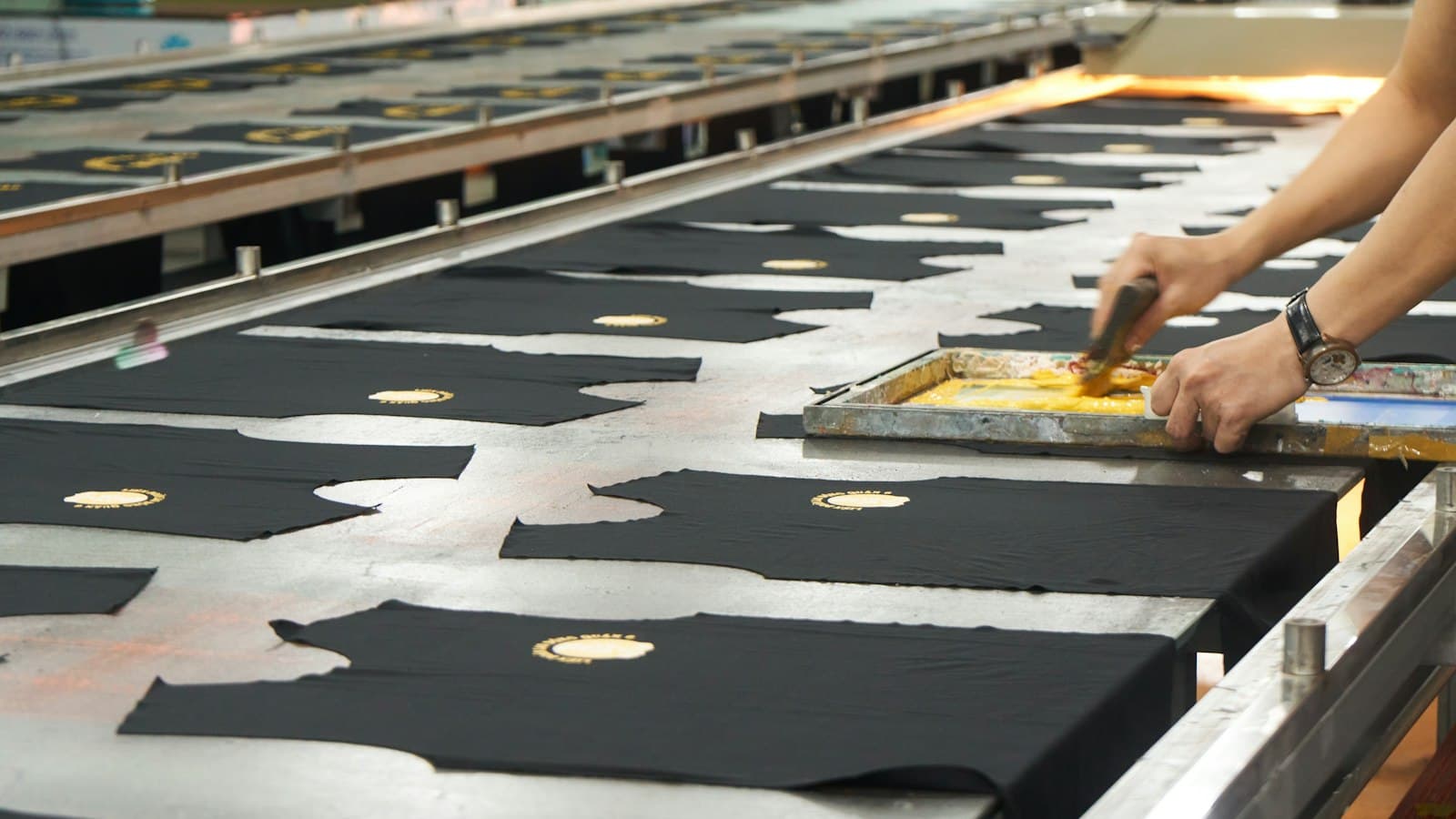
The start-of-run distinction matters. Rejects concentrated in the first few pieces are a setup issue — registration, ink flow, position — and are largely unavoidable, which is why the first good print is kept as the reference for the run. Rejects spread throughout suggest drift, and drift is fixable.
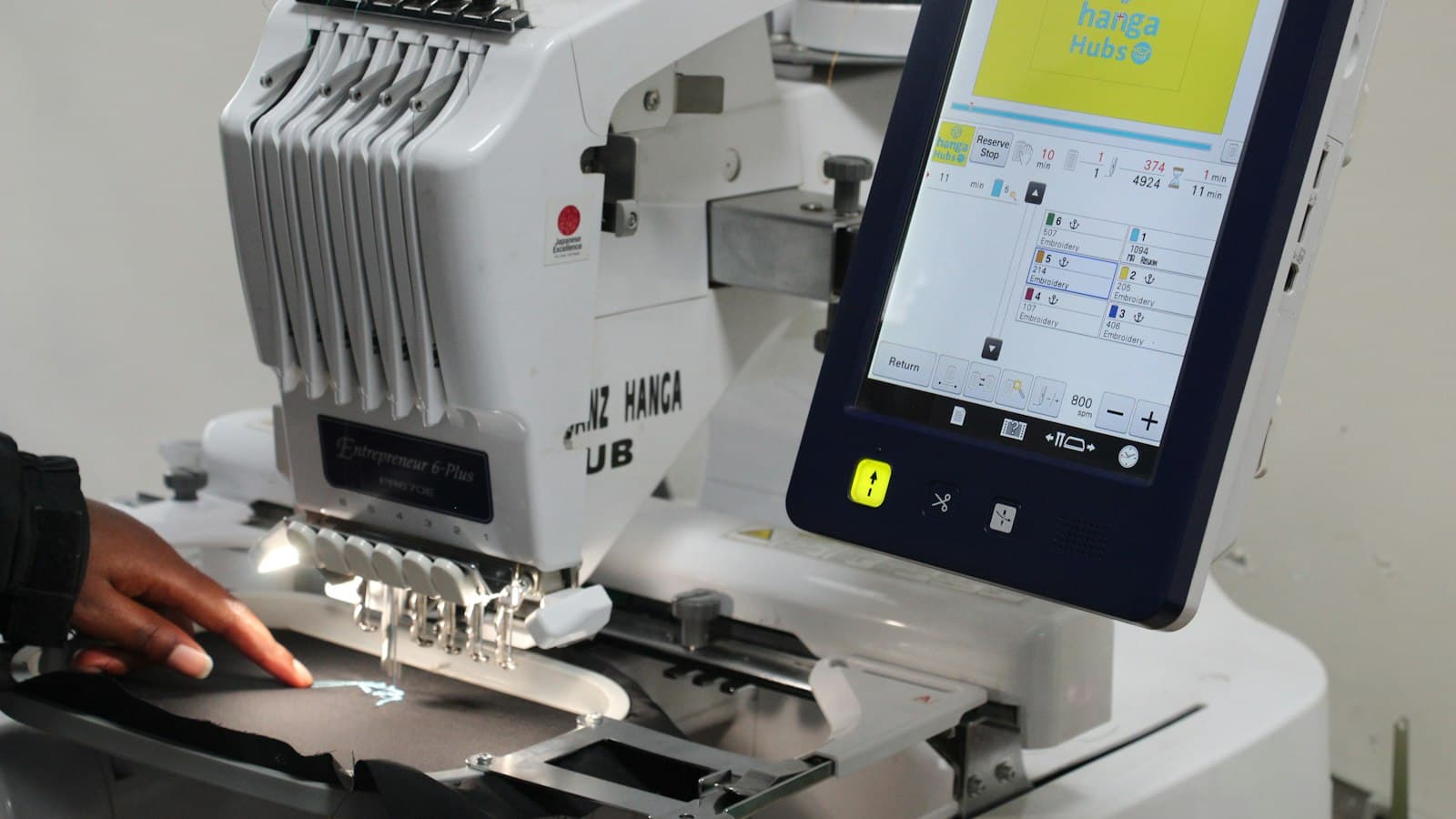
Expect different rates by process. Screen printing on a multi-colour job spoils more than a single-colour digital print; embroidery on difficult placements spoils more than a flat chest logo. One blanket figure across all your work will be wrong for most of it.
Ordering for it
Order over on anything where a shortfall cannot be recovered in time.
| Job type | Order over | Why |
|---|---|---|
| Named or numbered garments | Yes, on common sizes | A single misprint is otherwise a full reprint |
| Dated event work | Yes | No time to re-order |
| Store orders | Yes | Covers exchanges as well as spoilage |
| Multi-colour screen | Yes | More setup pieces lost |
| Large simple runs | Modest | Easier to reprint a few |
| Customer-supplied garments | Cannot — flag the risk | You have exactly what they sent |
The last row deserves a conversation before the job. With customer-supplied blanks there is no margin for error at all, so tell them plainly that any spoilage comes out of their quantity and ask whether they want to send extras. Most will, and it converts a future argument into a decision they made.
Who pays
Three cases, and being clear about them prevents most disputes.
Within your allowance. Yours, priced in. This is the majority and it should never reach the customer as a conversation — you simply deliver the quantity ordered.
A garment fault. The supplier replaces the blank; almost none cover your decoration. That asymmetry is why inspecting on receipt matters so much — a fault found before printing costs a shirt, and after printing costs the shirt plus everything you did to it.
A specification change. If a customer changes something after production has begun, the garments already produced are chargeable. Say so at the time rather than absorbing it, because a customer who is not told assumes it was free.
When spoilage is a signal
A rate that jumps is information, and it is worth investigating before the next job rather than absorbing.
| Pattern | Usually |
|---|---|
| Rising across all jobs | A machine drifting — check cure and registration |
| One garment type only | The blank, or settings wrong for that fabric |
| One customer's work only | Artwork quality or an awkward placement |
| One operator's shifts | Training, not attitude |
| Multi-colour jobs only | Registration — adhesive, pallets or press wear |
| Sudden, after a change | Whatever changed |
The last row sounds trivial and is the most useful. New ink, new garment supplier, a serviced dryer, a different emulsion — any of those can move the rate, and the connection is obvious only if somebody wrote down when it changed.
Reducing it
The changes that move the number
- Check the first print properly against the proof before running
- Keep that first good print at the press as the reference
- Refresh pallet adhesive on a schedule, not when prints misregister
- Inspect blanks on receipt, sampling every box
- Wash test any new garment and ink combination
- Check dryer and press temperature weekly, at the corners
- Enforce artwork rules at upload rather than at the art station
Adhesive is the one that repays attention fastest. Registration problems are commonly blamed on the press when the garment was moving, and refreshing adhesive is a two-minute job that removes a whole category of multi-colour spoilage.
Using the overs
Printed spares are worth keeping rather than discarding, and they earn their cost several times over.
What to do with them
- Hold a few from every named or store order for exchanges
- Keep one as a physical reference for the reorder
- Offer spares to the customer at cost — many will take them
- Keep misprints as wash-test samples rather than binning them
- Log what was kept, so it is findable rather than accumulating
The exchange use is the most valuable on store work. A school will always produce a handful of people who ordered the wrong size, and having spares means that is a five-minute swap rather than a reprint with its own setup — which is the difference between a store that feels smooth and one that feels like hard work.
Keep the physical reference with the job record. When the reorder comes round, comparing against an actual garment settles questions that a stored file cannot, and it is the same reason to keep tested samples. The rest of the production archive assumes your allowance came from your own records.