Deposits, terms and the cash flow trap
Most shops take 25–50% upfront, and 50/50 is the common standard. Why decorators still run out of cash, and the terms that stop it.
Pricing, artwork, production, equipment and selling online, written for the trade. 558 articles across 10 topics.
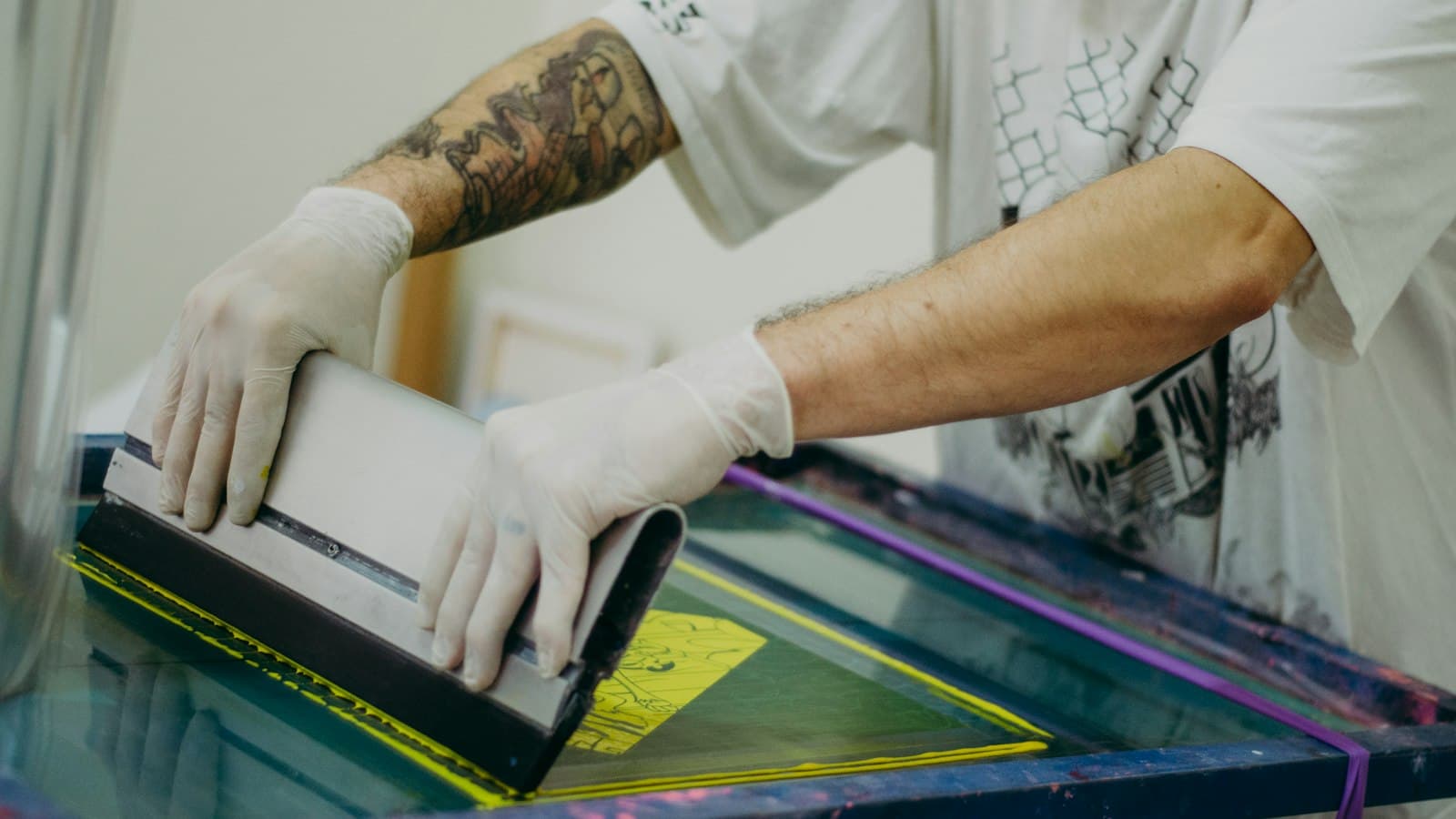
Most shops take 25–50% upfront, and 50/50 is the common standard. Why decorators still run out of cash, and the terms that stop it.
Most price matrices break at 12, 24, 48, 72 and 144 because everyone else does. What the breaks should actually be built from, and how to test yours.
Fill rate, warehouse proximity and how they handle a shortage matter more than a few cents a garment. What to test before you commit a programme.
Providers return 5% to 25% of sales. What that percentage is actually taken from decides whether a school raises anything, and it is the number nobody checks.
Shopify suits most sellers and launches in an afternoon. WooCommerce suits shops already on WordPress. Neither was built for decoration — here is where that shows.
The list to run the morning before a store goes live. Each of these has cost a decorator an order, and every one takes under five minutes to check.
Entry machines start near $8,000, mid-production runs $15,000–$30,000, and industrial passes $80,000. What each tier actually buys you, and the running costs nobody quotes.
Four ways to split a design into screens. Which one suits the artwork, the garment colour and the press you are running it on.
A proof is not a picture, it is a record. What has to be on it, how to get it approved quickly, and why the approval must live on the job.
Used presses, dryers and embroidery machines can be excellent value. What to inspect, what to run, and the four questions that reveal why it is for sale.
Free for 14 days · no card · pick what you make and we preload the methods, products and price tables.