The short answer
- A sample carries the full setup cost for a single piece
- Charge for it, and credit it against the order
- Free samples attract people who were never going to buy
- Digital mockups answer most sample requests at no cost
- A sample is a sales tool — follow it up deliberately
"Can you send us a sample first?" is a reasonable request and an expensive one. Producing one garment requires the same screens, setup, artwork and handling as producing five hundred, and the shop that treats samples as a courtesy gives away a surprising amount of capacity over a year.
What a sample costs
The real cost
- Artwork preparation and separation
- Screens made, or a transfer produced
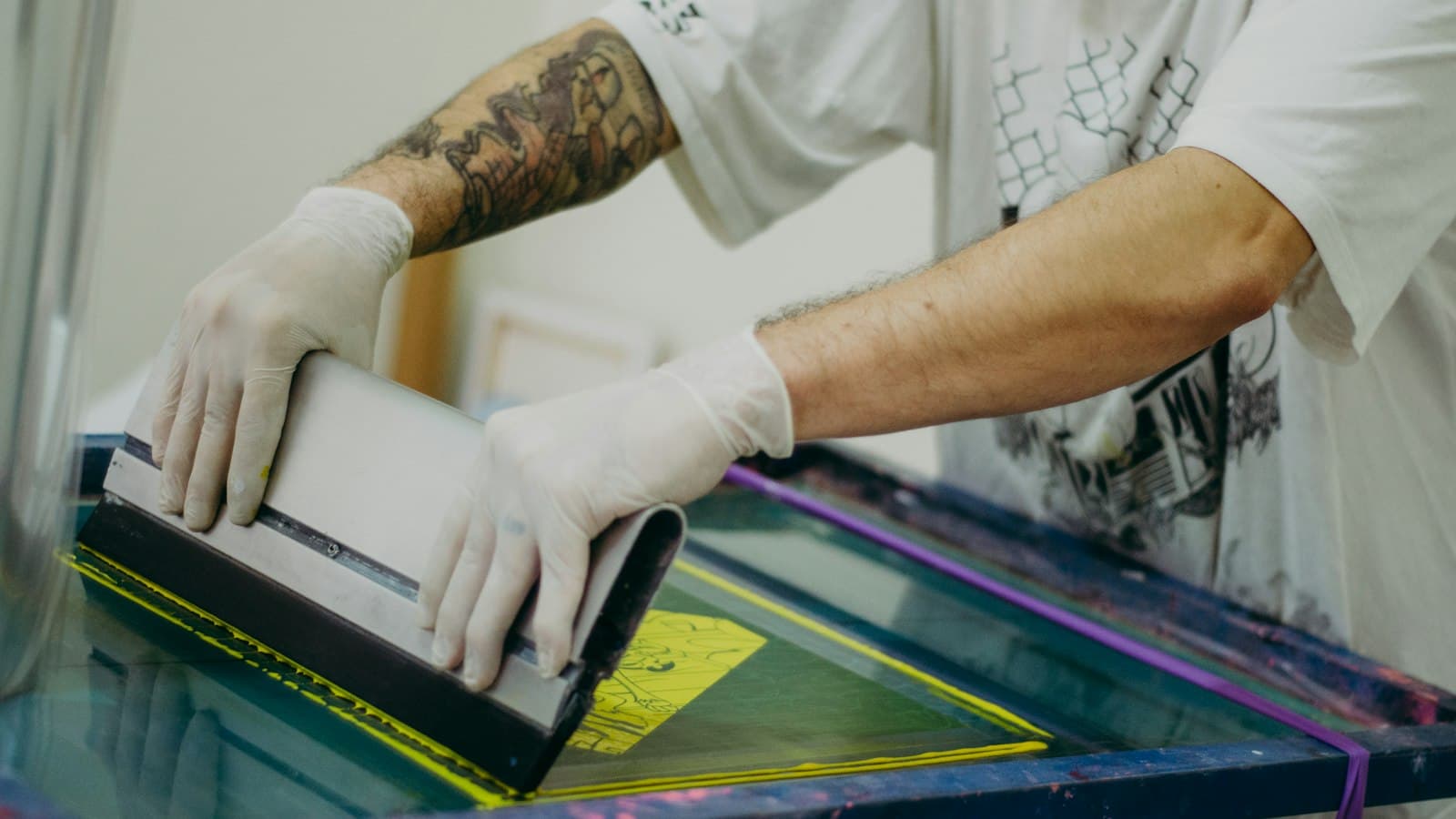
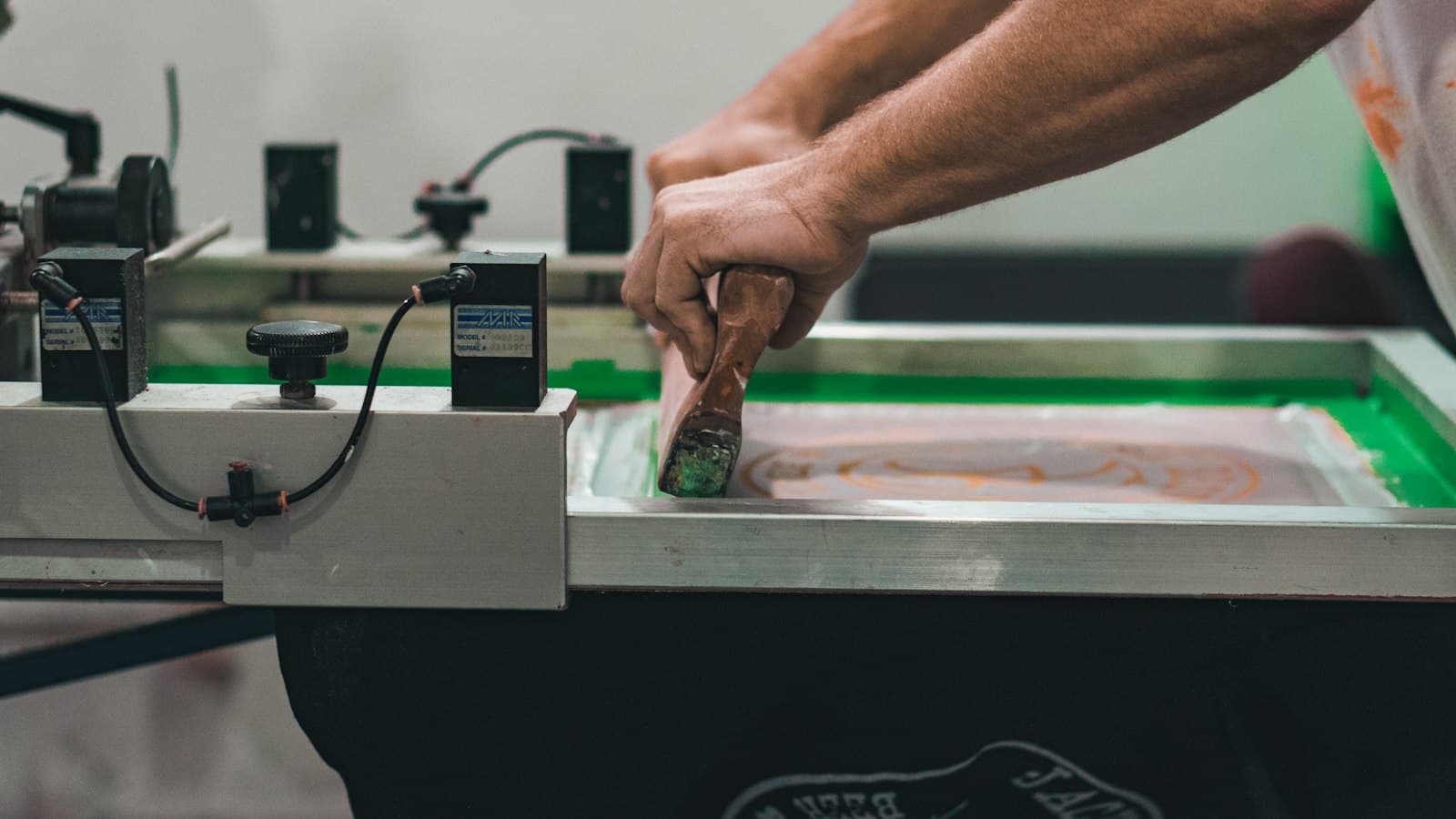
- Full press setup for one garment
- Ink mixed to the colour
- The blank itself, often ordered specially
- Freight in, and freight out to the customer
- Clean-down afterwards
- The time somebody spent arranging all of it
Setup is the dominant cost, exactly as it is on any small order. A sample is the smallest possible order, so it is the least efficient thing a shop can produce.
A sample is a one-piece order with a full setup. Price it like one, or decide deliberately to give it away.
Types of sample
| Type | Cost to you |
|---|---|
| Blank garment, undecorated | Low — just the blank |
| Existing sample from stock | Very low |
| Custom decorated sample | High — full setup |
| Digital mockup | Minutes |
| Pre-production sample from a run | Low, if timed with the job |
The distinction matters when answering the request. A customer asking to feel the fabric wants a blank, which costs you almost nothing; one asking to see their logo printed wants a full setup, which does not.
Ask which they actually need. A great many sample requests are answered completely by a blank garment plus a mockup, and offering that first resolves most of them.
When to charge
Charge when
- It requires screens, digitising or a full setup
- The customer is new and unqualified
- The blank must be ordered specially
- The order is not yet committed
- They have asked several times without ordering
Absorb it when
- A large order is genuinely committed
- It is a long-standing customer
- You can supply an existing sample from stock
- It is a blank, not a decorated piece
- You are testing a new garment you wanted to test anyway
The last point is worth noticing. If a customer's request happens to involve a garment you wanted to evaluate, the sample doubles as your own blank testing and the cost is not really theirs.
How to price it
A workable structure
- Blank sample: the garment cost plus postage
- Decorated sample: setup plus one piece at a small-quantity rate
- Complex or multi-colour: quote it individually
- Pre-production sample within a booked order: usually included
- State postage separately
Price it as what it is rather than inventing a special number. A sample priced from your normal setup plus a one-piece rate is defensible, easy to explain, and stops the request being casual.
Say the price plainly when asked. "We can do a printed sample for [$X], which comes off your order if you go ahead" is a complete answer that costs nothing to give and filters the enquiries that were never serious.
Crediting it back
Crediting the sample cost against a subsequent order is the arrangement that satisfies almost everyone. The customer effectively gets it free if they order, and you are covered if they do not.
Make the terms clear
- The full amount, or a stated part, comes off the order
- A time limit — typically a few weeks
- A minimum order quantity for the credit to apply
- Whether it covers postage as well
- Whether it applies to a different design
The time limit stops a credit sitting open indefinitely. Set it long enough to be reasonable and short enough to encourage a decision, and put it on the invoice rather than only in conversation.
Cheaper alternatives
Offer these first
- A digital mockup on the actual garment colour
- A blank garment so they can judge fabric and fit
- Photographs of similar work you have produced
- A sample from your own display stock
- An in-person visit to see garments
- A pre-production sample once the order is placed
The last option is underused and often the best answer. Producing the first garment of a booked run and sending a photograph before printing the rest gives the customer the reassurance they wanted, at almost no additional cost — and it is a genuine quality check as well.
Where mockups are produced automatically, offering one instantly costs nothing and resolves most requests. Visualisation on the real garment is not a physical sample, and for the majority of customers it answers the actual question, which is what the design will look like on that colour.
Making it convert
Treat it as a sales step
- Make the sample as good as you can — it represents you
- Send the quote with it, not afterwards
- Include a note explaining what to look at
- Follow up within a few days
- Record the sample against the customer
- Keep a duplicate for your own reference
Sending the quote with the sample is the detail that converts. A customer holding a good garment and a clear price can decide immediately; one who has to ask for pricing afterwards has a reason to delay.
Watch the pattern across a year. A shop producing many samples and converting few has either a pricing problem or a qualification problem, and the answer is usually to offer a mockup first and reserve physical samples for enquiries that have a real quantity behind them.
Follow it up deliberately rather than waiting. A sample is a strong signal of intent, and a shop that sends one and never mentions it again has spent the money and skipped the sale — the sequence in following up quotes applies here more than anywhere. The rest of the pricing archive assumes a sample was priced before it was produced.