The short answer
- Personalisation converts a batch into a sequence of individual jobs
- Cost is labour and handling, not materials
- Price per name and per number separately, and per location
- Errors in supplied data are the biggest hidden cost
- Collecting names at ordering removes most of the risk
Adding names to a team order sounds like a small extra. In production it is the difference between printing fifty identical garments and producing fifty different ones, each of which must be set up, checked, matched to a person and kept separate from the rest.
Shops that price it as an afterthought lose money on every personalised order, and the loss is invisible because it sits in labour rather than in materials.
Why it costs more than it looks
Where the time goes
- Collecting and cleaning the name list
- Setting up each name individually
- Matching each garment to the right person and size
- Checking every spelling against the list
- Keeping garments separated through finishing
- Bagging and labelling individually
- Reprinting whatever was wrong
Batching disappears entirely. The efficiency of a normal run comes from doing the same thing repeatedly, and personalisation removes exactly that — every piece is a setup.
Fifty plain shirts is one job. Fifty named shirts is fifty jobs that happen to share a garment.
By method
| Method | Per-name cost | Constraint |
|---|---|---|
| Cut vinyl | Material plus weeding time | Weeding is the labour |
| DTF transfers | Low material, fast press | Gang names on one sheet |
| Screen print | Impractical | A screen per name |
| Embroidery | Machine time per name | Hooping each garment |
| Sublimation | Low, on suitable garments | Polyester and light colours |
DTF has changed the economics of personalisation more than anything else, because names can be ganged onto a single sheet and pressed individually. The cost per name falls sharply once the sheet is filled efficiently — the same nesting logic as gang sheets generally.
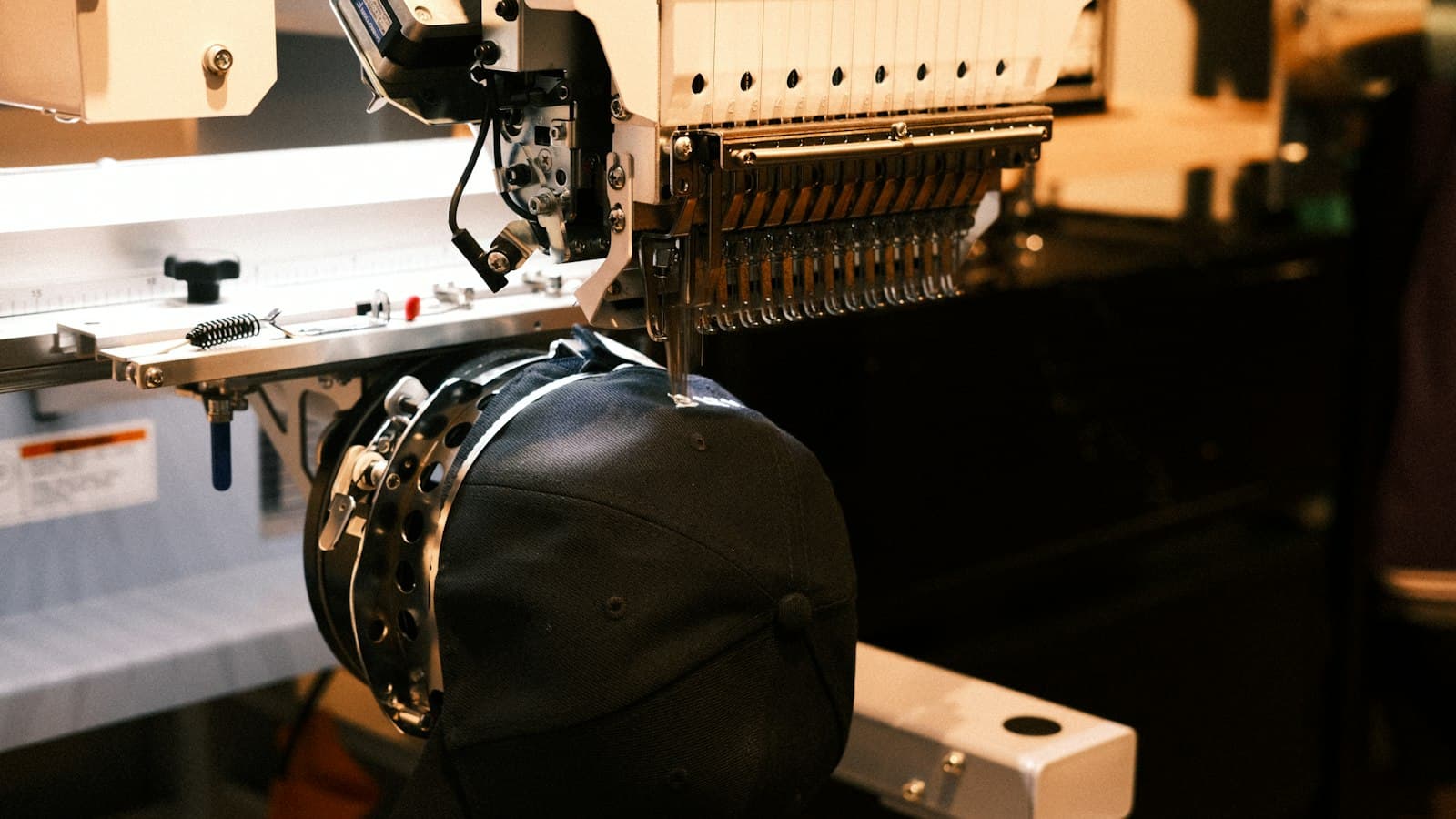
Embroidered names remain expensive because hooping does not batch. Each garment is hooped, stitched and unhooped, and no volume changes that — which is why embroidered personalisation should carry a noticeably higher rate.
What to charge
Separate lines
- Per name, per location
- Per number, per location — often priced differently
- Name and number together, as a package
- A setup fee for the personalisation run as a whole
- Individual bagging and labelling, if required
- An hourly rate for cleaning up a poor name list
Numbers frequently cost more than names despite being shorter, because they are usually larger, sometimes two-colour, and often required to meet a league specification for height and placement.
Do not discount personalisation by quantity in the way you discount printing. The per-piece labour barely improves with volume, so a discount curve borrowed from your print pricing will underprice a large personalised order — the same trap as applying shirt breaks to caps.
The data problem
The names themselves are where personalised orders actually fail. A handwritten list, a scanned form or a spreadsheet retyped by somebody in a hurry produces errors that only surface on the garment.
What goes wrong
- Handwriting that is genuinely ambiguous
- Names transcribed from one document into another
- Sizes recorded against the wrong person
- Late additions arriving after production started
- Accented or non-Latin characters lost in transfer
- No agreement on capitalisation or name format
Every transcription step is a chance to introduce an error, so the fix is to remove the steps. Names typed by the person they belong to, at the point of ordering, are dramatically more accurate than any list assembled by an organiser — which is the real argument for collecting personalisation in the store itself.
Where a list must be supplied, insist on a spreadsheet in a stated format rather than a photograph of a sheet of paper. Charge for cleaning up anything that arrives in another form.
Errors and who pays
State the position before the order, because it will come up.
| Error | Who pays |
|---|---|
| You mistyped a correctly supplied name | You |
| The supplied list was wrong | The customer |
| The list was illegible and you guessed | You — do not guess |
| Late change after production started | The customer |
| Approved proof contained the error | The customer |
Approval of the name list as a list is what makes those positions defensible. Send it back for confirmation before production, get it approved in writing, and the argument is settled by a document rather than by memory — the mechanics are in approval workflows.
Never guess at an unclear name. Ask, even if it delays the job, because a guessed name is a garment nobody can wear and the cost falls on you.
Making it efficient
What actually saves time
- Names collected digitally at ordering, not on paper
- A production list sorted in the order you will work
- All names ganged onto one transfer sheet where the method allows
- Garments pre-sorted by size and laid out in list order
- Printed bag labels generated from the same list
- A single check pass against the list at finishing
Working from one list end to end is the key discipline. Where the order list, the production list, the press sequence and the bag labels all come from the same source, the opportunities for mismatch largely disappear — and where they come from the production system itself, nobody is retyping anything.
Presenting it
Quote personalisation as its own visible line. Folded into the garment price it looks like your shirts are expensive; shown separately it looks like exactly what it is, which is an additional service with an additional cost.
On the quote
- Base garment and print, as normal
- Name: rate per garment, location stated
- Number: rate per garment, size and location stated
- Individual bagging, if included
- The deadline for the final name list
- The policy on late changes
The list deadline is the most useful line on the quote. Personalised orders are almost always delayed by names arriving late rather than by production, and a date stated at quoting gives you something to point at when it slips. The rest of the pricing archive assumes personalisation was priced as labour rather than as an extra.