The short answer
- Dust and lint are the enemy of screens, prints and digital printers
- Contamination causes faults that look like equipment problems
- Separate clean zones from dirty ones physically
- Short daily routines beat occasional deep cleans
- Organisation saves more time than cleaning does
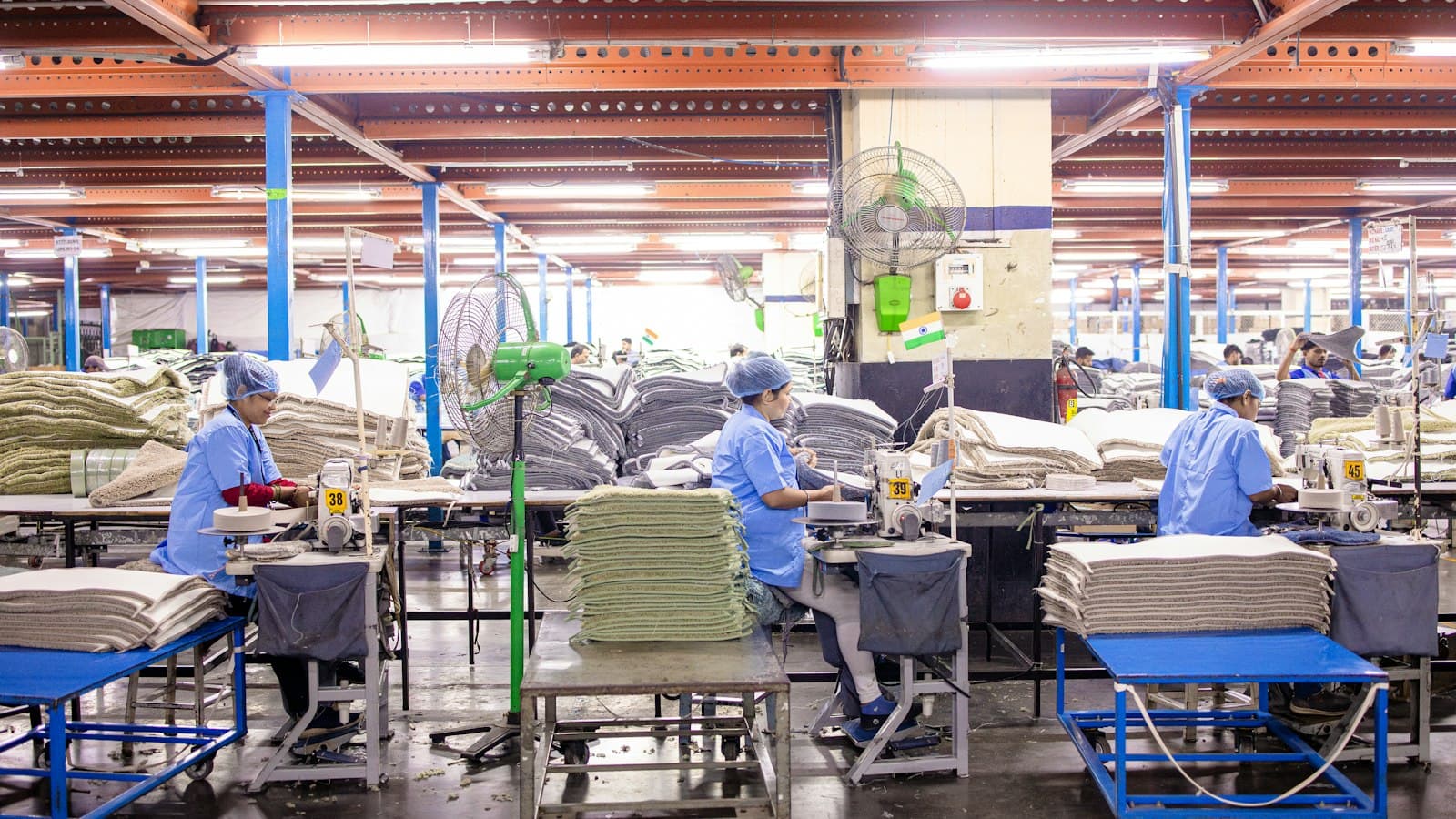
Decorating shops generate lint, ink, dust and chemical residue continuously, and all four of them cause defects. A shop where housekeeping is an occasional emergency rather than a routine spends time chasing quality problems that were created by its own environment.
Why it matters here
What dirt does
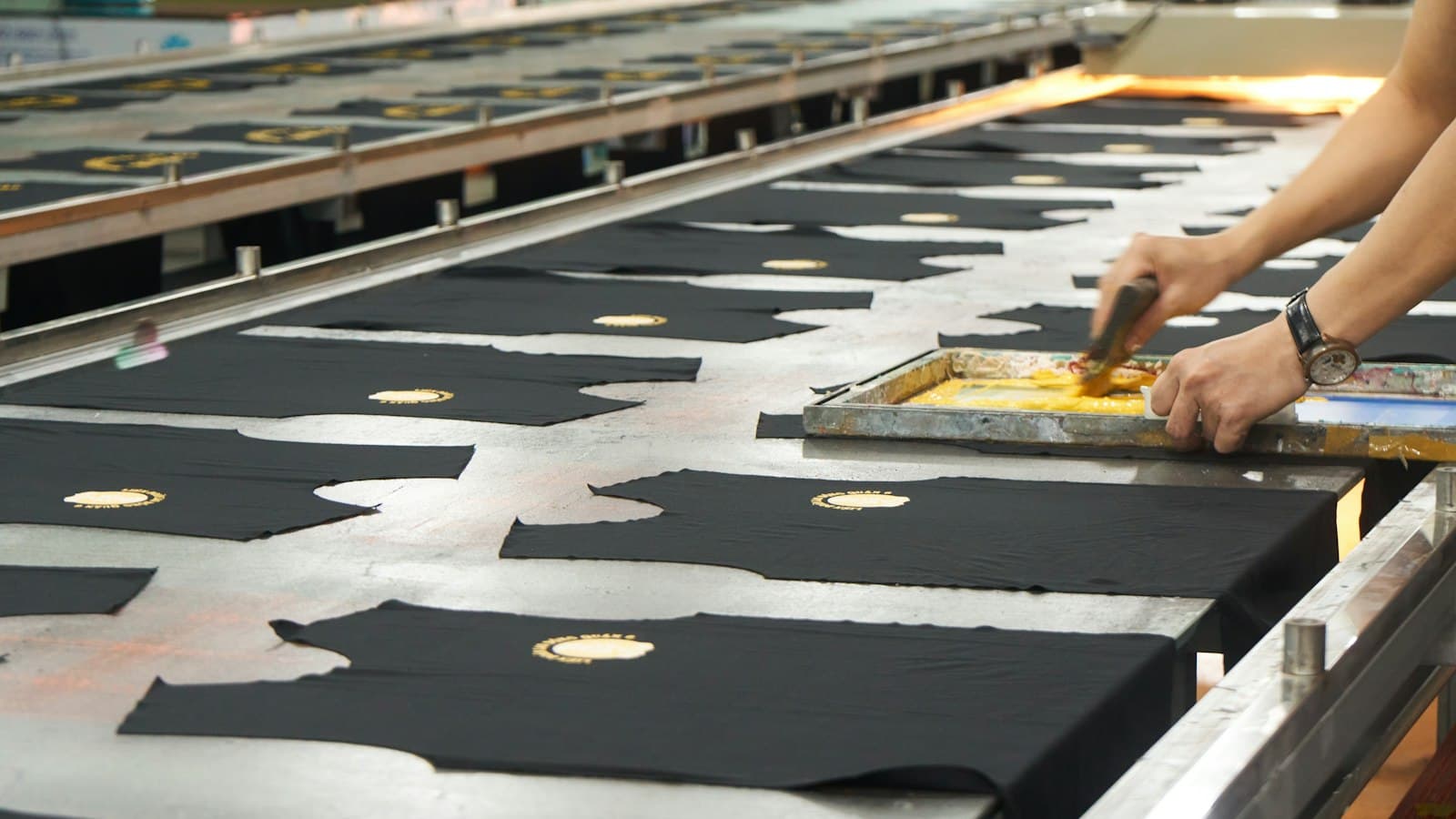
- Dust on a coated screen becomes a pinhole
- Lint on a garment prints into the ink
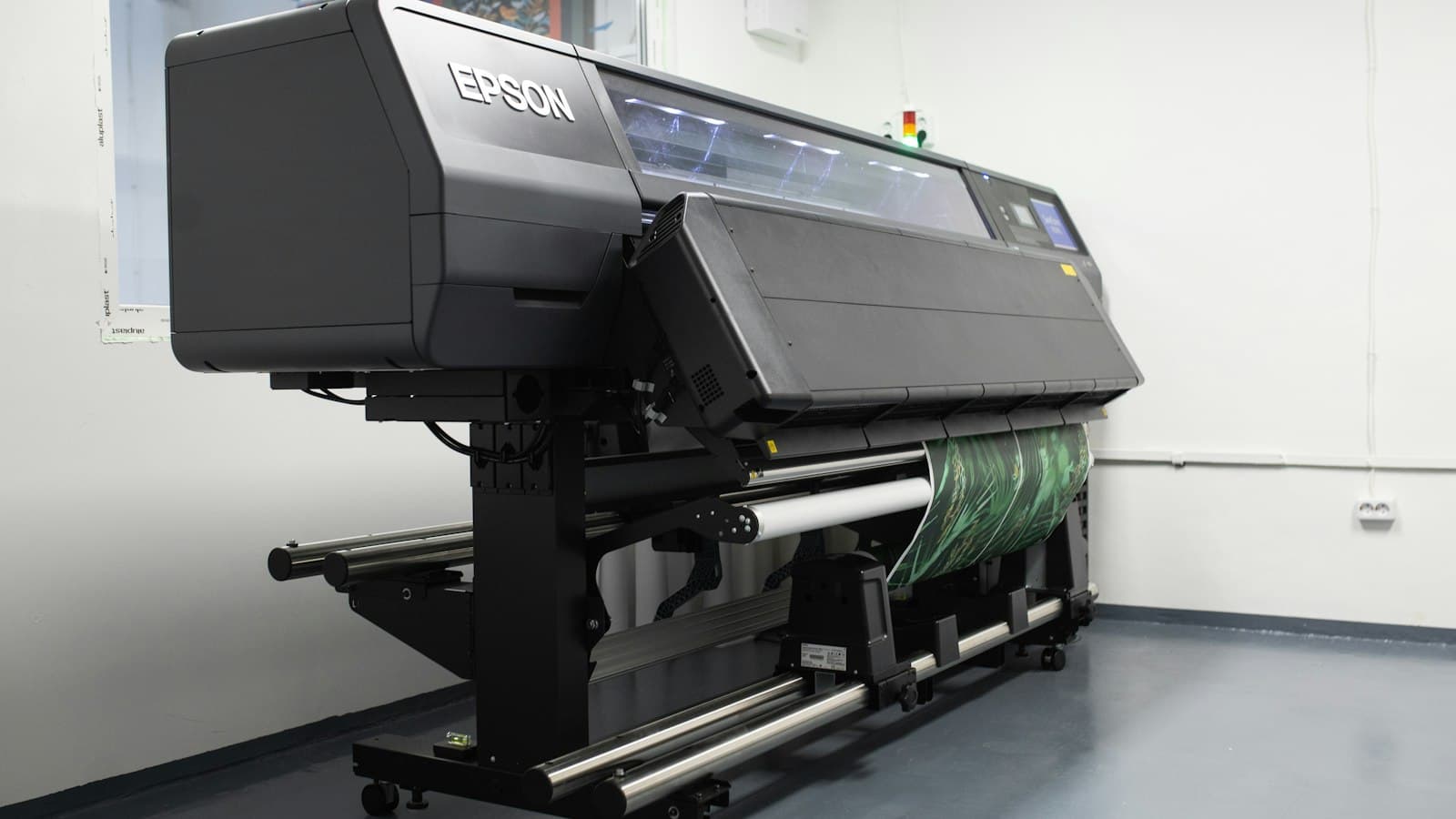
- Dust in a DTG printer causes head problems
- Ink residue transfers to the next garment
- Contaminated ink changes colour subtly
- Clutter causes accidents and slows everything
The pinhole is the clearest example of an environmental fault being blamed on technique. A screen that washes out with pinholes gets attributed to emulsion or exposure, and the actual cause was dust in the drying cabinet — which is why housekeeping belongs alongside stencil quality.
Half the faults blamed on equipment are the shop itself getting into the work.
Contamination
| Contaminant | Damages |
|---|---|
| Dust | Screens, digital printers, film |
| Lint | Prints, platens, transfers |
| Ink residue | Garments, next jobs |
| Solvent and reclaim mist | Screens, health |
| Adhesive overspray | Everything nearby |
| Moisture | Emulsion, garments, transfers |
Adhesive overspray deserves specific attention because it travels further than people expect and then collects dust. A pallet adhesive station without any containment coats a surprising area of the surrounding shop.
Moisture is the quiet one. Damp garments cause heat press failures and damp emulsion causes stencil problems, and neither is visible — which is why pre-pressing appears in heat press application and drying appears in every emulsion discussion.
Zones
Separate physically
- Clean: darkroom, drying cabinet, digital printers, artwork
- Working: presses, dryers, heat presses
- Dirty: reclaim, washout, chemical storage
- Finished goods: folding, packing, dispatch
The critical separations are washout away from the darkroom, and finished goods away from everything. A reclaim area adjacent to a drying cabinet will put moisture and residue where coated screens are drying.
Finished goods need protecting most of all. Folded garments waiting for dispatch in an open working area collect lint and can be marked, and that is the point at which a fault reaches the customer — the layout question in laying out a decorating shop.
A cleaning schedule
Daily
- Clean screens and squeegees at the end of each job
- Wipe down platens
- Sweep the press area
- Clear the finishing bench completely
- Close and clean ink containers
Weekly
- Vacuum rather than sweep, to lift dust rather than move it
- Clean the darkroom and drying cabinet
- Wipe down the dryer and check the belt
- Clean the washout area properly
- Tidy the screen rack and check for damage
Monthly and beyond
- Deep clean the exposure unit glass
- Clean extraction and any filters
- Service checks per the maintenance schedule
- Clear out accumulated waste and dead stock
- Check chemical stocks and disposal arrangements
Vacuuming rather than sweeping is a genuine improvement. Sweeping lifts dust into the air where it settles on screens and into printers; a vacuum removes it.
Organisation
Cleanliness prevents defects; organisation saves time, and there is more time in it than most shops realise.
What to fix
- A defined place for everything, labelled
- Tools stored where they are used
- Screens racked by mesh count, clearly marked
- Ink shelved by colour with labels facing out
- Work in progress on labelled shelves, not on the floor
- Finished goods separated from everything else
- Clear walkways
Screen racking is the highest-return organisation task in a screen shop. A rack where the right mesh can be found in seconds removes a small daily frustration and prevents the wrong screen being used because it was nearer.
Labelling the storage makes the whole system work, which is where a label printer earns its cost several times over.
Chemicals and waste
Handle properly
- Store chemicals in a designated, ventilated area
- Keep safety data sheets accessible
- Label every decanted container
- Ensure extraction where solvents are used
- Dispose of waste through the correct route
- Never put reclaim chemicals down a drain without checking
- Provide gloves and eye protection, and expect them to be used
Waste disposal has legal requirements that vary by area, and ignorance is not a defence. Establish the correct route once and make it part of the routine — the practicalities are in screen reclaim and chemicals.
Keeping it up
What makes it stick
- Build cleaning into the working day, not after it
- Fifteen minutes at the end of every shift
- A named person per area
- A visible checklist
- Owners doing it too, visibly
- Enough bins, cloths and supplies to hand
Give every area an obvious finished state so nobody has to judge it. A bench that is clear, a floor that is swept and screens racked in their places is a standard anyone can see they have met, and a vague instruction to tidy up is one nobody can.
Scheduled time is what makes it happen. Cleaning that is expected to fit into gaps does not, because there are no gaps in a busy week — fifteen minutes at the end of the shift, protected, achieves more than any amount of encouragement.
Make disposal easy or it will not happen. Bins in the right places, a rag bin at every press and a clear route for chemical waste remove the friction that turns good intentions into a pile in the corner.
Review the layout once a year alongside the cleaning. Shops accumulate equipment, stock and habits, and a walk round with fresh eyes usually finds two or three arrangements that made sense when they started and now cost time every day.
The standard is also a signal. Customers who visit form an impression within seconds, staff take their cue from what is tolerated, and a shop that looks well run generally is one — which is why housekeeping sits alongside the technical practice rather than beneath it. The rest of the production archive assumes the shop is clean enough not to be causing its own faults.